The Bank of Italy has recently published the report on fraudulent payment operations in Italy.
The Rapporto provides an analysis of fraudulent transactions with the main digital retail payment instruments (wire transfers, menu, electronic money) based on reports from payment service providers operating in our country.
Significant differences between the various payment instruments are highlighted.
Electronic transfers maintain a low fraud rate (0,001% of the total value of transactions), while payment cards and e-money have higher fraud rates (respectively 0,019% and 0,025%).
There has been a lot of talk recently about instant transfers because they have become free for everyone. The Report shows how these have a higher fraud rate than traditional bank transfers (0,048% versus 0,001%) evidently due to the speed of execution of the former as an element of vulnerability.
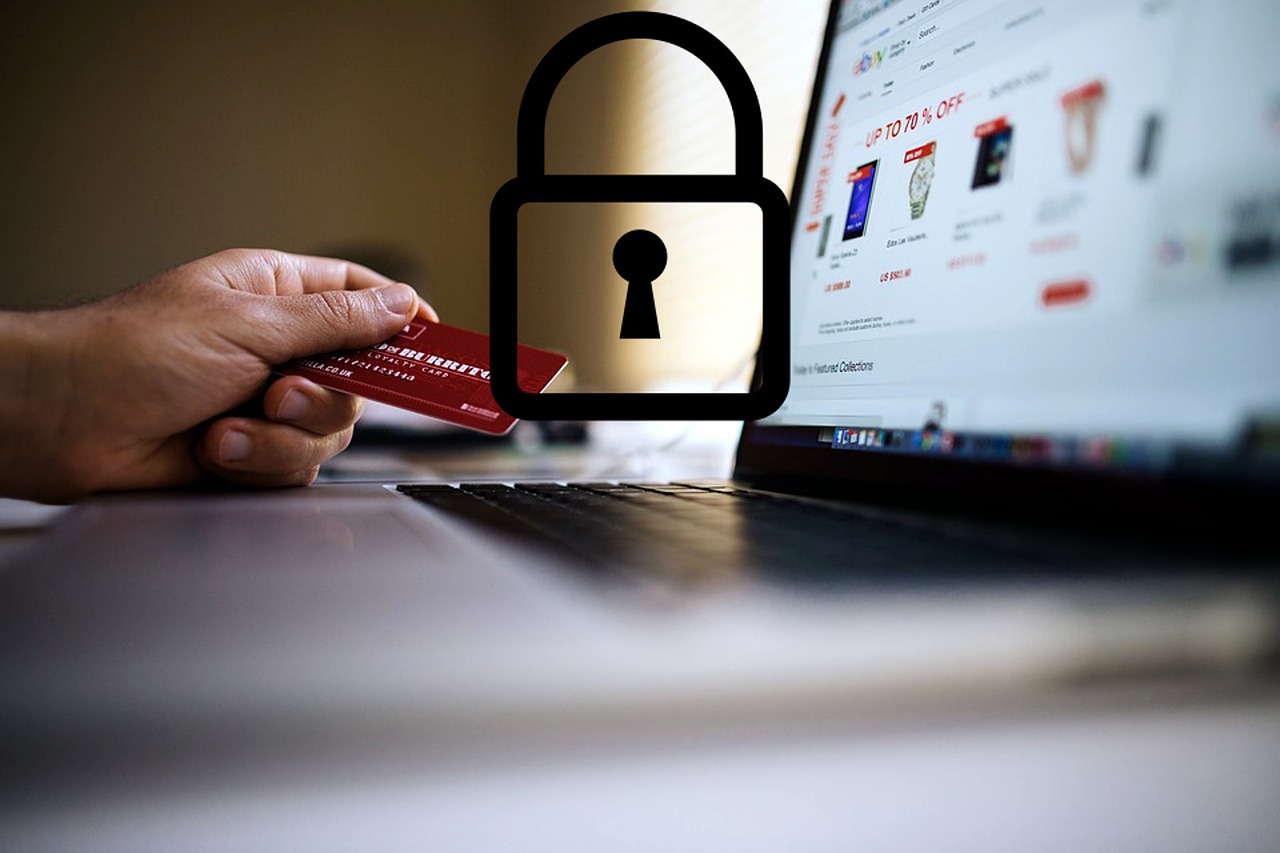
Remote operations are confirmed to be riskier, like online shopping, compared to those carried out at physical sales points. As regards the types of fraud, a clear distinction emerges between transfers, where payer manipulation prevails (74% of cases) and payment cards and electronic money, where the main risk is linked to the issuing of payment orders by fraudsters who have stolen sensitive data.
The comparison with other EU countries highlights how fraud rates in Italy are lower than the EU average for payment cards but slightly higher for electronic money.
Therefore the use of strong authentication is recommended (SCA) as a procedure for validating a user's identity based on the use of two or more authentication elements (cd. “two-factor authentication”), belonging to at least two categories among the following:
- knowledge (something that only the user knows, like a password or PIN);
- possession (something that only the user has, like a token/key, or a smartphone);
- inherence (something that characterizes the user, such as fingerprint or facial recognition).
Fraud rates in transactions with strong authentication (SCA) are lower than those of operations without SCA especially in the segment of cross-border transactions with payment cards and electronic money.
Alex Gaetani
Read more:
Report on fraudulent payment transactions in Italy