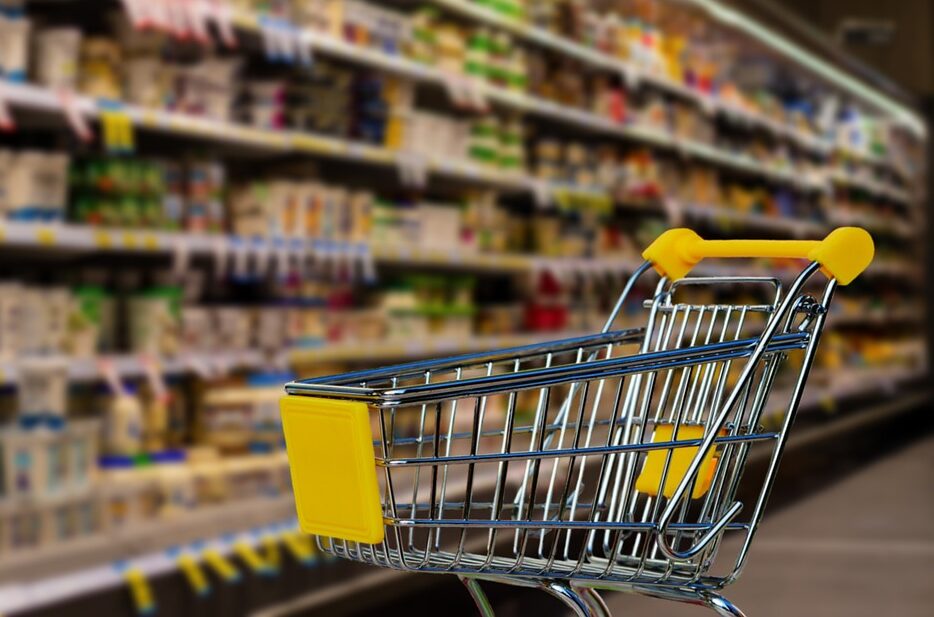
The 2026 opens with a fact that tells much more than it seems: Italians are no longer loyal consumers. The almeno, they are no longer at large retailers.
This is stated in the latest report from theDoveConviene Shopping Observatory, which photographs a country that is increasingly attentive to prices and less and less willing to follow the habits of the past.
According to the investigation, almost one in two Italians (49%) he is ready to change supermarket if he finds cheaper prices. A behavior that until a few years ago would have been considered marginal, but which today has become the norm. Loyalty to the brand just concerns the 5% Consumer, while the majority moves between multiple stores: 36% He frequents three of them regularly, 16% even more than four.
Prices and promotions guide choices
The heart of the change is all here: the 60% of Italians choose the supermarket based on the offers, mentre the 50% favor the brands with the lowest prices.
A figure that confirms how much the inflationary pressure of recent years has affected the habits of families.
Not surprising, then, that the 70% consult promotional flyers regularly before doing the shopping. A habit that has turned into a real savings strategy, often supported by apps and digital tools.
Each product has its own shop
The survey also shows increasingly widespread behavior: choose the store based on the type of product.
For food, supermarkets and hypermarkets remain the choice of 86% of Italians, mentre the 52% relies on discounters for basic products. For home and personal care, instead, the use of specialized shops is growing, chosen by 62% of the interviewees.
A fragmentation that does not indicate disorientation, but greater awareness: each category has its ideal place, and consumers know it.
Proximity is no longer enough
Convenience remains an important factor: 29% of Italians prefer shops close to home. But proximity is no longer enough.
Almost the same percentage (28%) chooses stores with wider assortments, even at the cost of traveling a few more kilometers.
The message is clear: shopping is no longer done "at home", but "where it is convenient".
And if this trend in 2026 would become a more conscious spending strategy?
It's not about chasing every offer, but to adopt a more rational approach, more informed and more flexible.
With your smartphone, the calculator in your pocket that really saves money
In the video, in front of the beer counter, a quick calculation is enough to understand which offer is really worth it and unmask misleading prices. A simple gesture that makes the difference.
Practical tips for saving in 2026
Plan before you go out
Start from digital flyers and build the shopping list based on the offers.
Combine supermarket and discount store
Use the supermarket for large purchases and the discount store for basic products: it is the most effective combination.
Choose the right store for each category
Grocery where it's convenient, home care in specialized shops, fresh where the quality is best.
Avoid impulse purchases
Entering without a list increases the risk of buying unnecessary products.
Evaluate private labels
Supermarket brands often offer comparable quality to name brands, but at much lower prices.
Source: DoveConviene Shopping Observatory