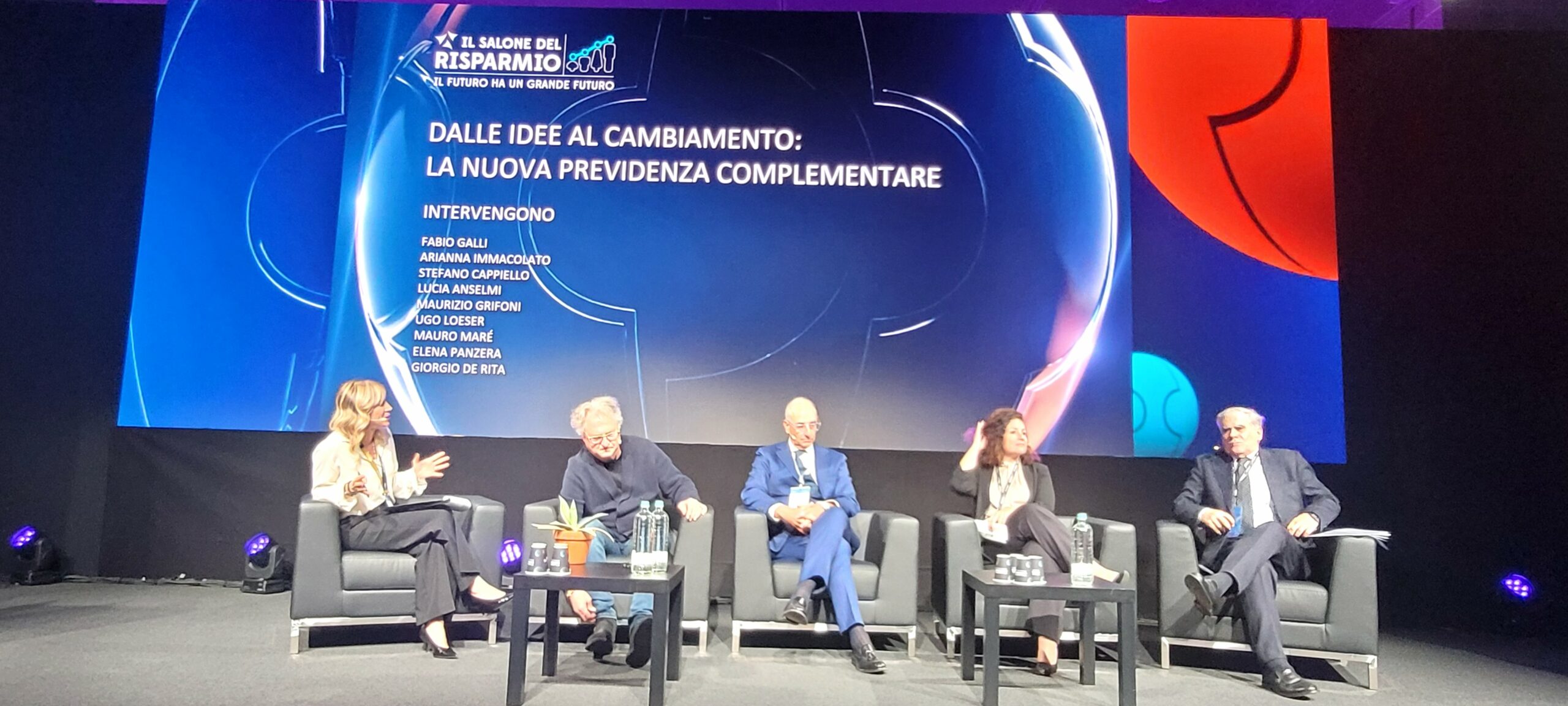
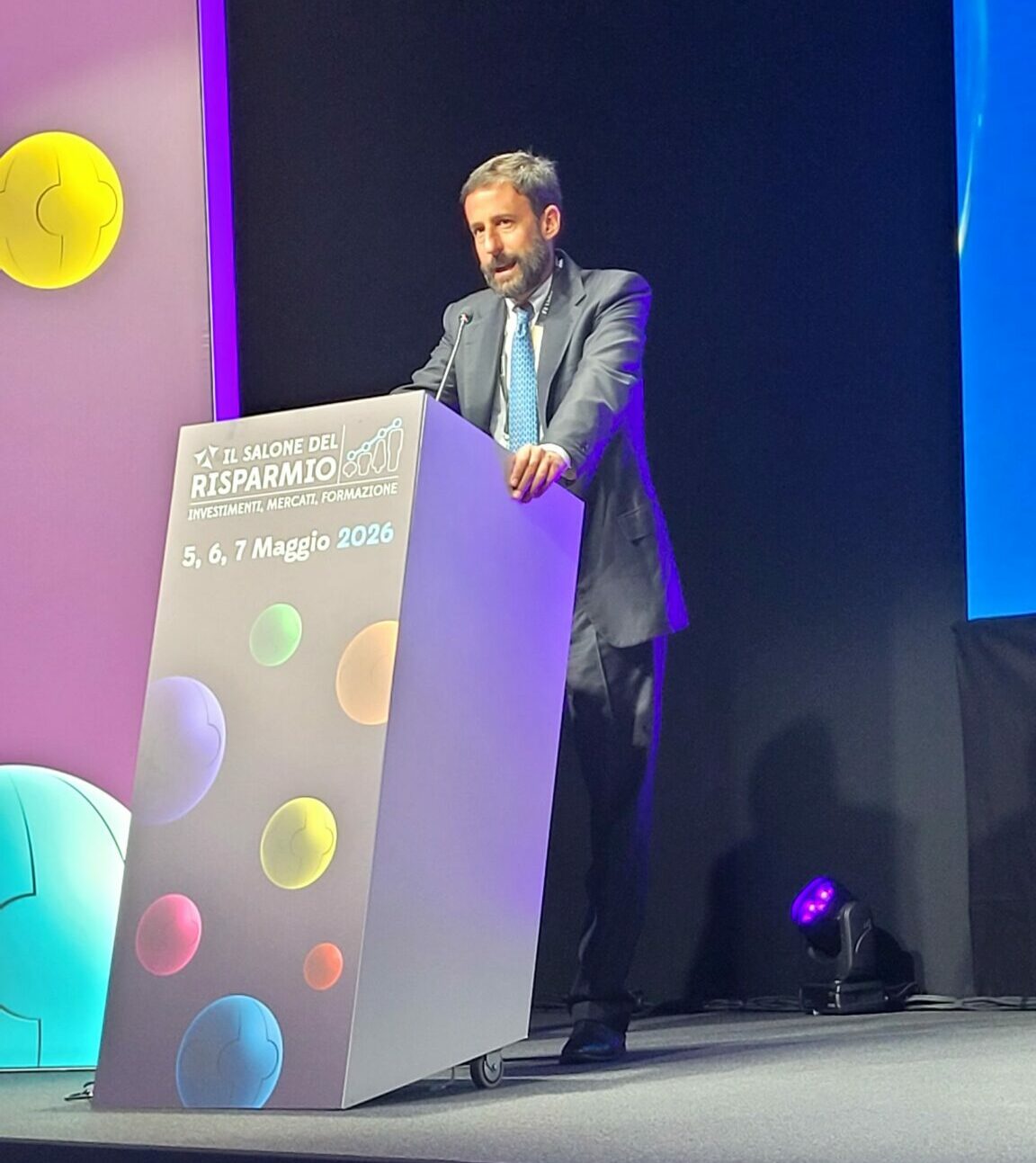
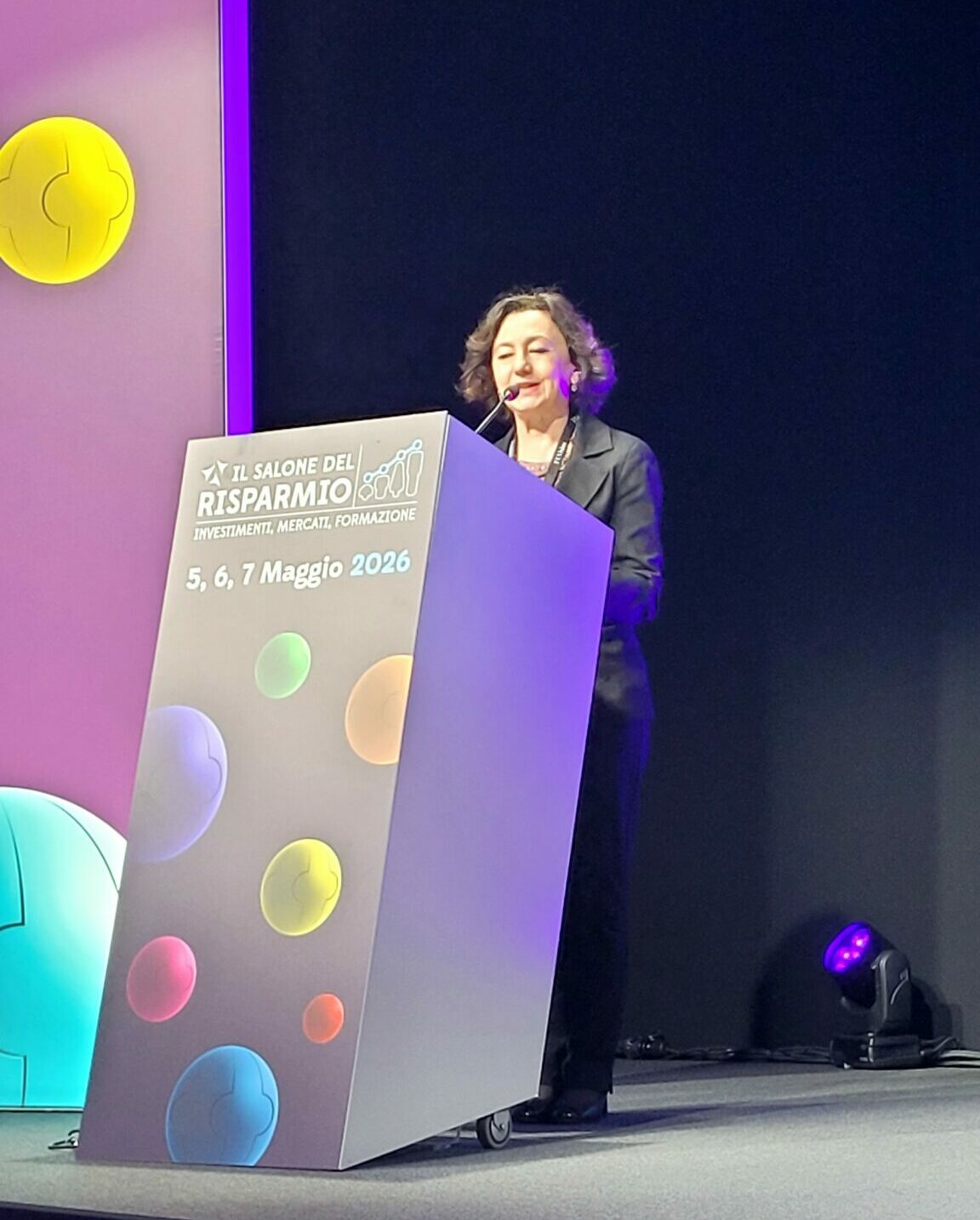
At the Salone del Risparmio I participated in the meeting dedicated to the future of Italian supplementary pensions, a topic that increasingly concerns today's families and workers.
The event, by Title “From ideas to change: the new supplementary pension", brought together experts, sector operators and representatives of the institutional world to discuss supplementary pensions, sustainability of the system and new needs of the younger generations.
The message that emerged most forcefully was clear: relying solely on the public pension may not be enough to maintain an adequate standard of living in the future.
Because we are talking more and more about supplementary pensions
In recent years the Italian pension system has changed profoundly. The increase in life expectancy, the demographic decline and increasingly discontinuous work careers are putting the public system under pressure. For many families this means something very concrete: the future pension risks being significantly lower than the last salary received.
Supplementary pension provision was created precisely to fill this gap, through savings instruments dedicated to the long term, such as occupational pension funds, open pension funds and PIPs (Individual Pension Plans). During the debate it was underlined that the main challenge is not just economic, but also cultural: in Italy there is still too little talk about retirement when you are young.
The problem of poor financial awareness
One of the most interesting topics that emerged during the meeting concerns financial education. Many workers, especially under 40, they do not know the estimated amount of their future pension, the functioning of the contributory system, the tax advantages of supplementary pensions and the effect of time on long-term investments.
Yet starting early can make a huge difference. Even small constant payments, over the years, they can be transformed into significant capital thanks to compound capitalisation. For families this issue becomes fundamental especially when planning future economic stability, asset management, the protection of children and the maintenance of one's lifestyle in old age.
Supplementary pension: not just pension
Another interesting aspect that emerged at the Salone del Risparmio is that today supplementary pension provision is no longer seen only as a "pension supplement". It is increasingly becoming a family financial planning tool. In fact, the funds provide advances for healthcare expenses, uses for purchasing or renovating your first home, greater flexibility than in the past and the possibility of building investment paths consistent with age and risk profile (life cycle).
The knot of trust
The theme of trust also emerged in the discussion between the speakers. Many people continue to put off making any retirement decisions because they see the future as uncertain. Manage services, economic instability and job insecurity make it difficult to commit to a long-term plan. However, the biggest risk may be not planning at all. In fact, waiting too long means losing the most important advantage in pension investments: the time.
The meeting at the Salone del Risparmio showed how the Italian complementary pension system is evolving to adapt to social changes, economic and demographic. The real challenge will be to be able to involve families and young people more, transforming social security from a distant and complex topic into a concrete instrument of financial serenity.
Alex Gaetani